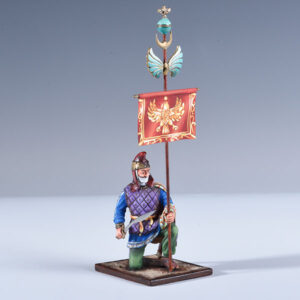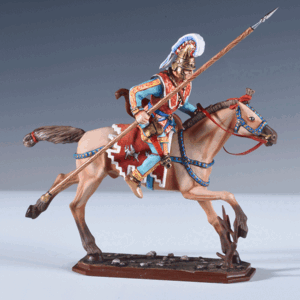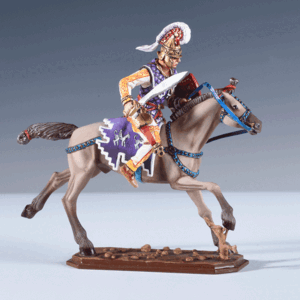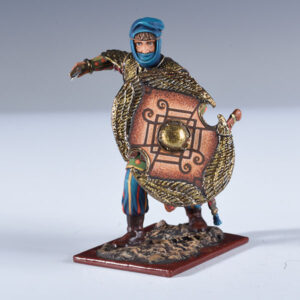
Persian Empire 500 BC - 300 BC
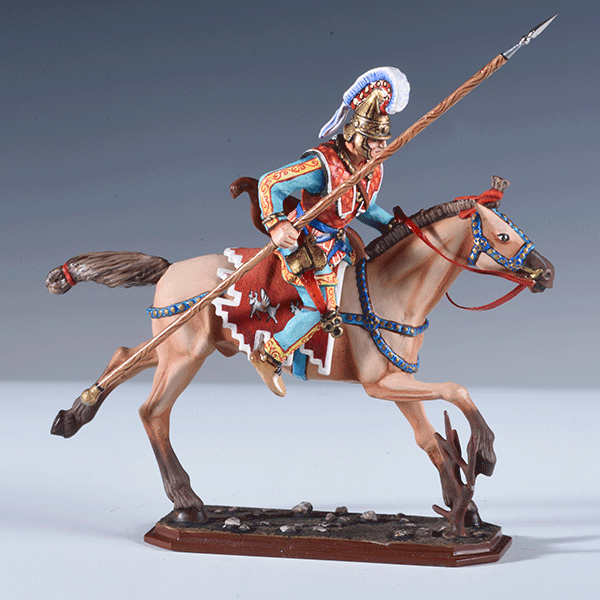

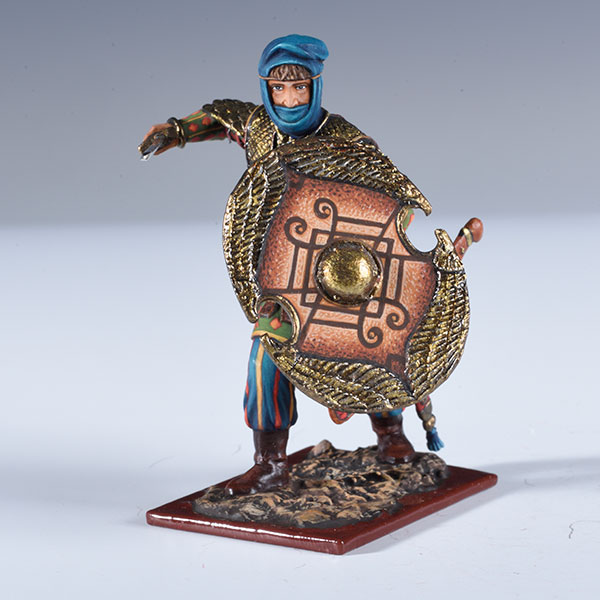
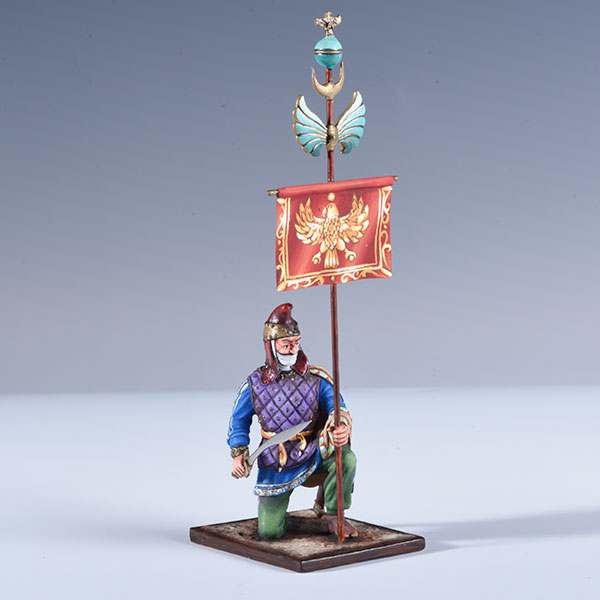
The Achaemenid Empire or Persian Empire was forged by Cyrus the Great and was the successor state of the Median Empire, ruling over significant portions of what would become Greater Iran. At the height of its power, it encompassed nearly 7.5 million square kilometers, spanning three continents, including territories of Afghanistan and Pakistan, parts of Central Asia, Asia Minor, Thrace, much of the Black Sea coastal regions, Iraq, northern Saudi Arabia, Jordan, Israel, Lebanon, Syria, and all significant population centers of ancient Egypt as far west as Libya.
It is noted in western history as the foe of the Greek city states in the Greco-Persian Wars, for freeing the Jews from the Babylonian captivity, and for instituting Aramaic as the empire’s official language. Alexander the Great, in 330 BC, invaded and conquered the empire.
In world history the role of the Persian empire founded by Cyrus the Great lies in their very successful model for centralized administration and a government working to the advantage and profit of all.
Showing all 4 results