Greek Empire 500 BC - 300 BC
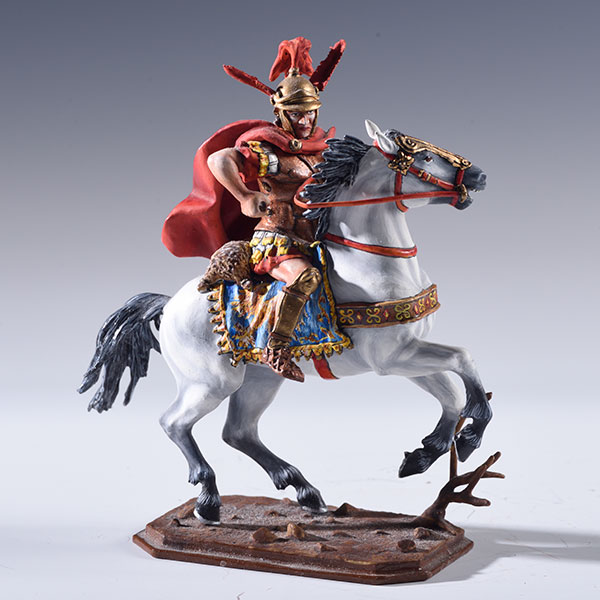
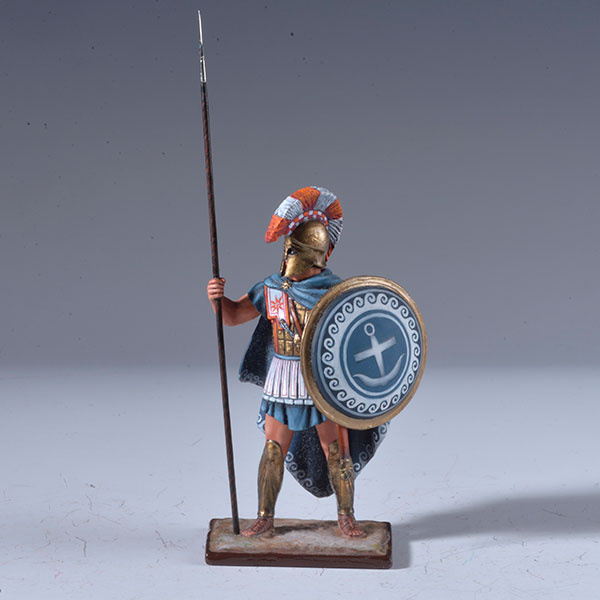
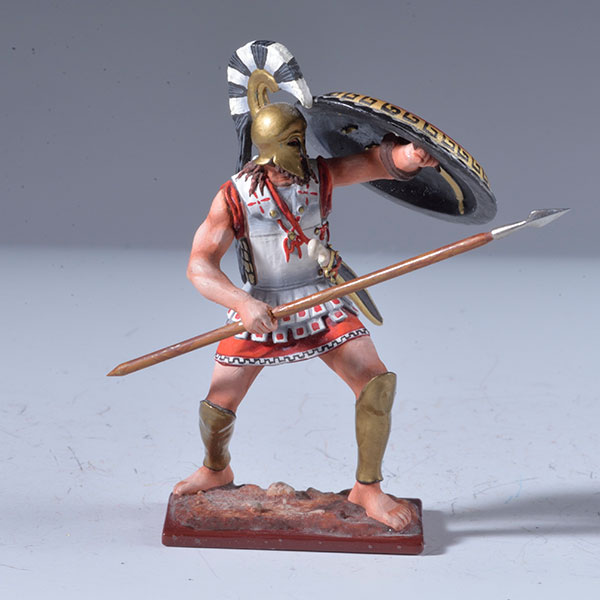
The term city-state which originated in English does not fully translate the Greek term. The poleis were not like other ancient city-states like Tyre or Sidon, which were ruled by a king or a small oligarchy, but rather a political entity ruled by its body of citizens. The term polis which in archaic Greece meant city, changed with the development of the governance center in the city to indicate a state which included its surrounding villages, and finally with the emergence of a citizenship notion between the land owners it came to describe the entire body of citizens. The ancient Greeks didn’t refer to Athens, Sparta, Thebes and other poleis as such; they rather spoke of the Athenians, Lacedaemonians, Thebans and so on. The body of citizens came to be the most important meaning of the term polis in ancient Greece. The poleis were frequently divided into three types of inhabitants. The first, and highest, “group” of inhabitants was the citizens with political rights. Then there were the citizens without political rights. Lastly there were the non-citizens.
Showing all 8 results
-
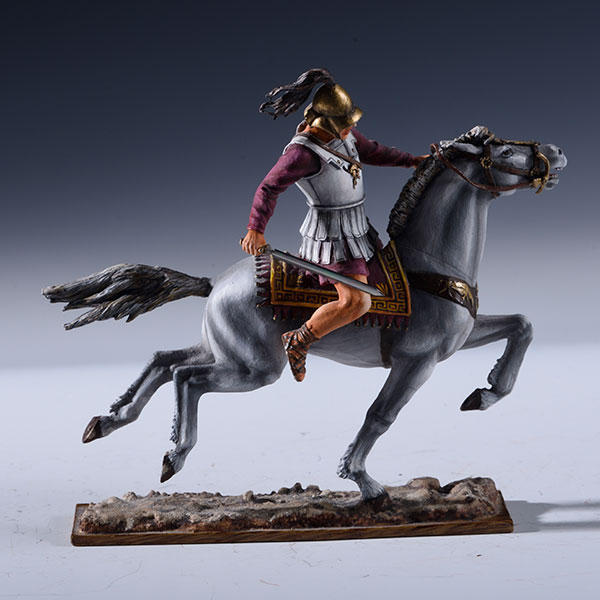
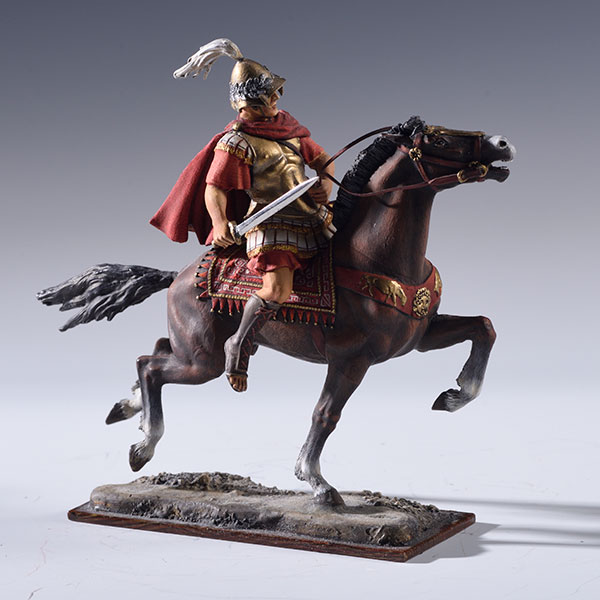
Alexander’s Companion Cavalry w/Boeotian Helmet w/Sword or Spear (1416)
$425.00
-
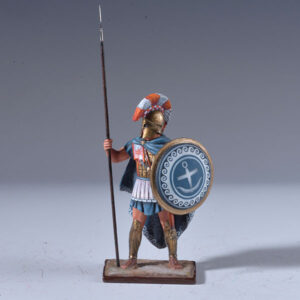
Athenian Marine w/Spear (1352)
$190.00
-
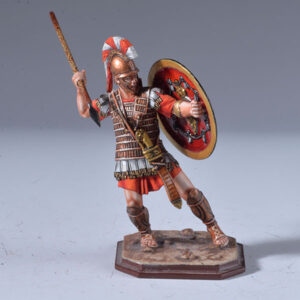
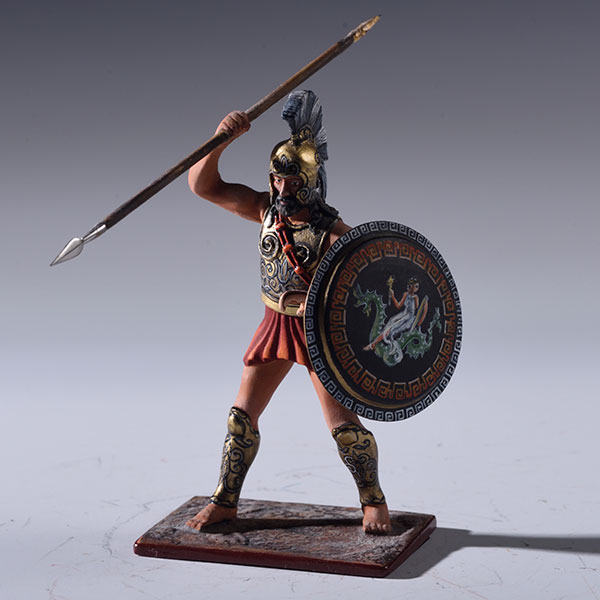
Fighting Greek w/Spear (1343)
$150.00
-
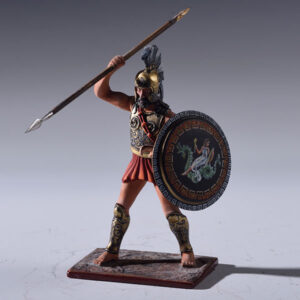
Greek Armored Infantry (1443)
$150.00
-
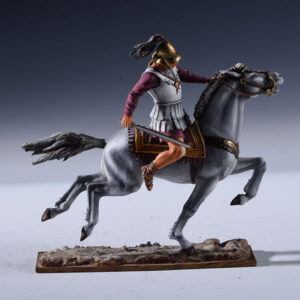
Greek Mercenary in Persian Service (1630)
$425.00
-
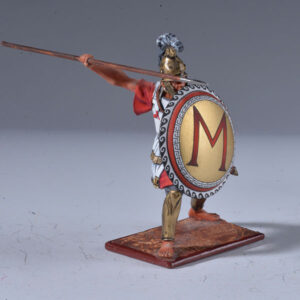
Macedonian Warrior (1351)
$160.00
-
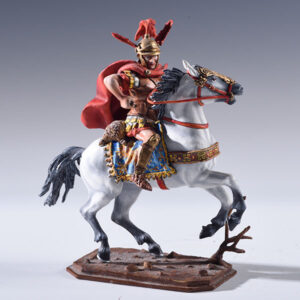
Spartan Cavalry Officer w/Spear (1398)
$250.00
-
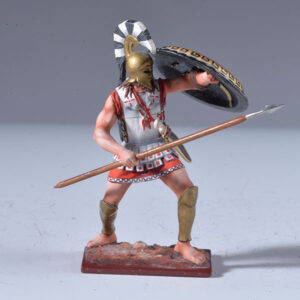
Spartan Hoplite (1341)
$145.00