
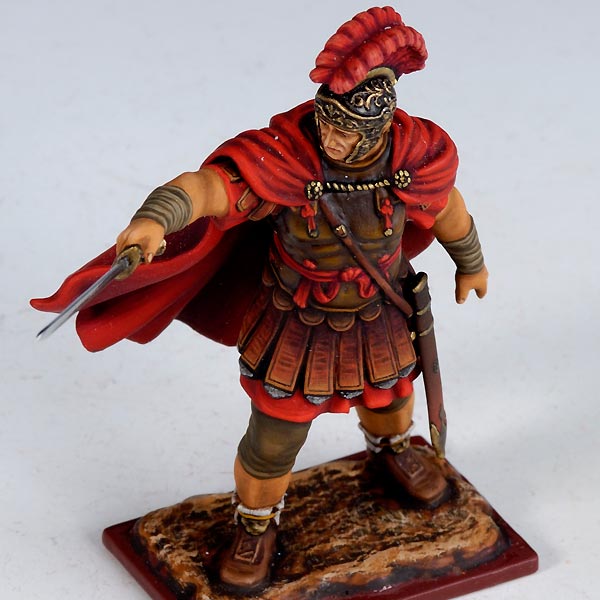
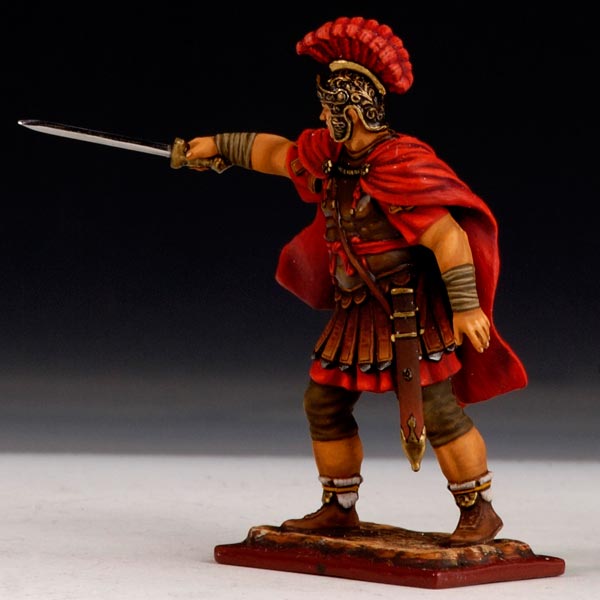
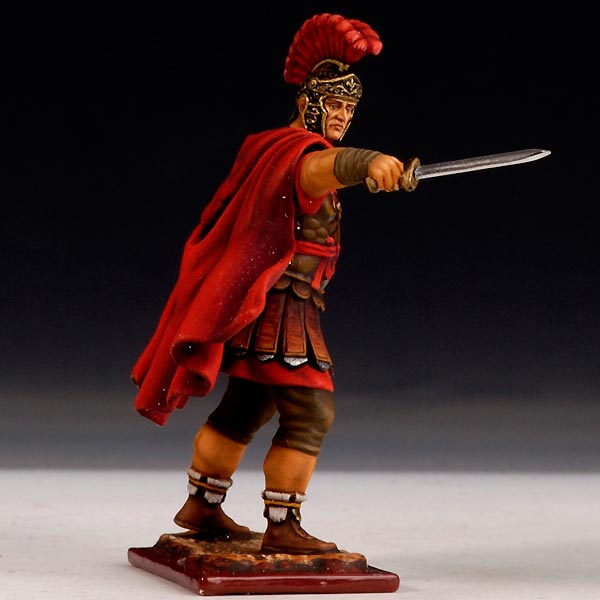

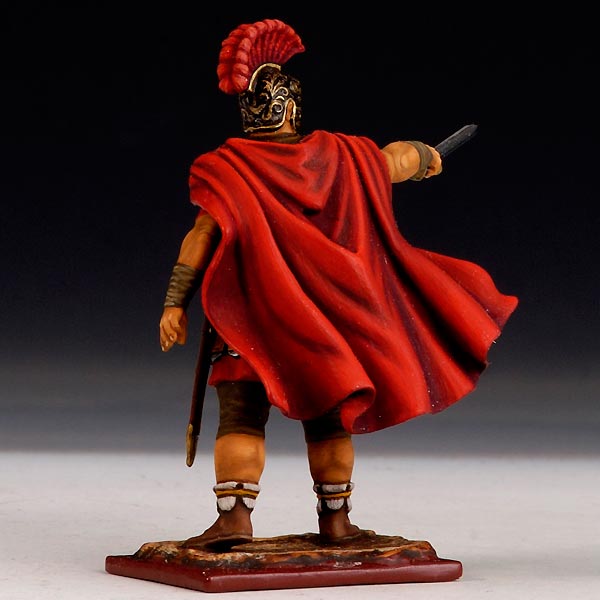
Description
Tiberius Claudius Nero, who reigned as Emperor of Rome from 14AD to 37AD, was one of Rome’s greatest generals and was for much of his time on the throne an able ruler. He suffered, however, from the insurmountable burden of having succeeded the great
Augustus. Further it appears that the good qualities he displayed in his early years deteriorated in the later years of his regime.
By 20BC Tiberius was being entrusted with important military commands by his stepfather Augustus. In the 30 odd ensuing years that he served as a senior military commander for Augustus, in most of the areas where trouble developed in the empire, Tiberius’ record was impeccable. There was, unfortunately, never amicable relations between Augustus and Tiberius. It was only due to the many deaths that took place among members of the royal family that Tiberius became the designated successor.
The death of Augustus in 14AD witnessed Tiberius’ somber and somewhat cautious initiation as emperor. Tiberius faithfully pursued the acts and laws prescribed by the deified Augustus while he firmly collected power from the irresolute Roman senate.
By 26AD Tiberius, who hated Rome, took up residence in Capri leaving his friend Sejanus, the prefect of the Praetorian Guard, to oversee his imperial interests. Sejanus continually maneuvered himself into the inheritance of the throne. But by 31AD Tiberius had become aware of his duplicity and had him disposed of.
As a final show of his dislike for Imperial Rome, Tiberius set in motion the succession of his nephew Gaius Caligula who he felt was an obvious lunatic. He enjoyed saying, “I am nursing a viper for the Roman people.”
Tiberius died in 37AD, probably of natural causes.